Eva Marco, soprano
Soprano

Eva Marco

Architect of musical experiences

Artistic excellence in service of every occasion. From intimate recitals to grand operatic productions and high-level corporate events, I create personalized musical experiences where every detail — repertoire selection, staging and performance — is conceived to move, inspire and leave a lasting impression.

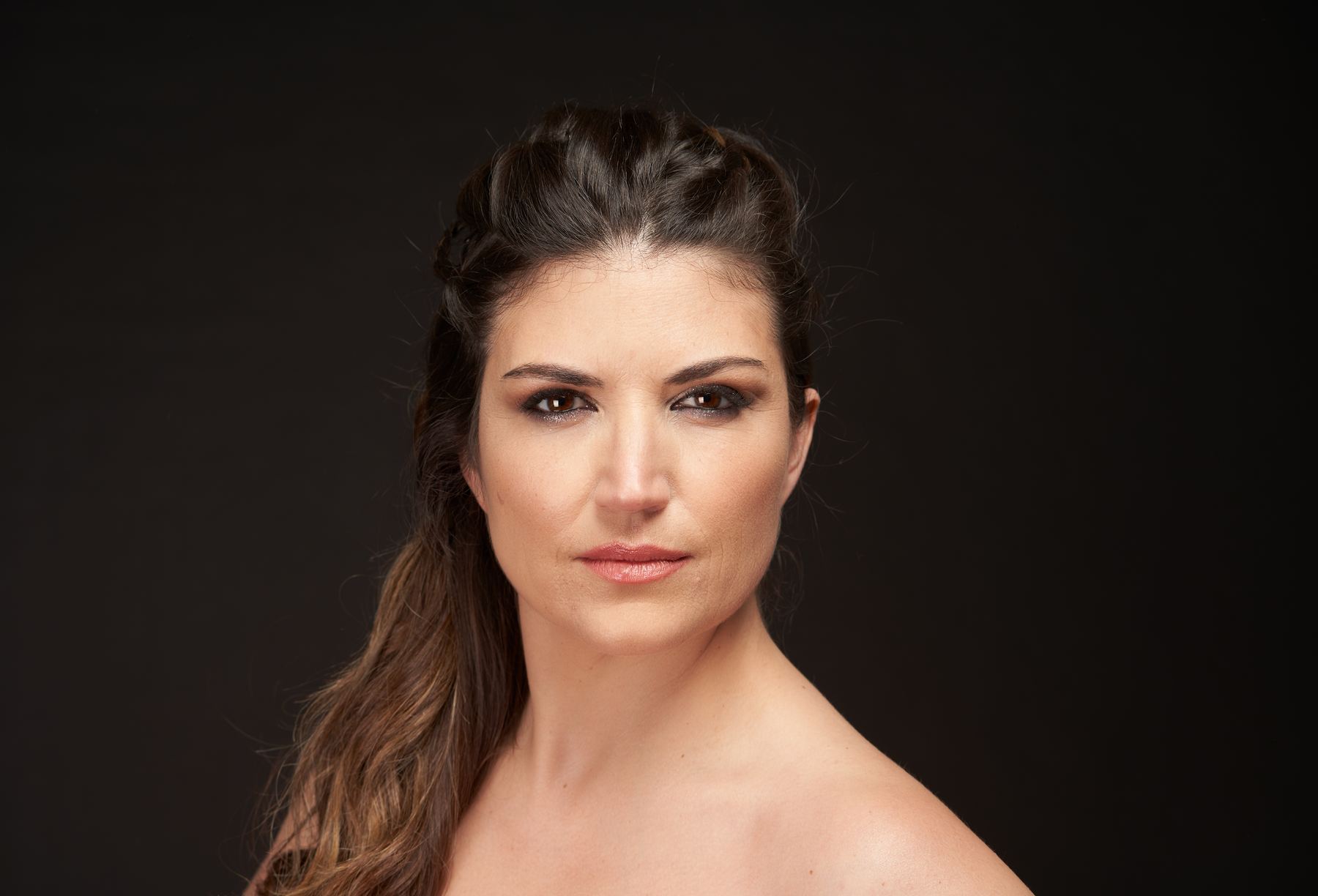
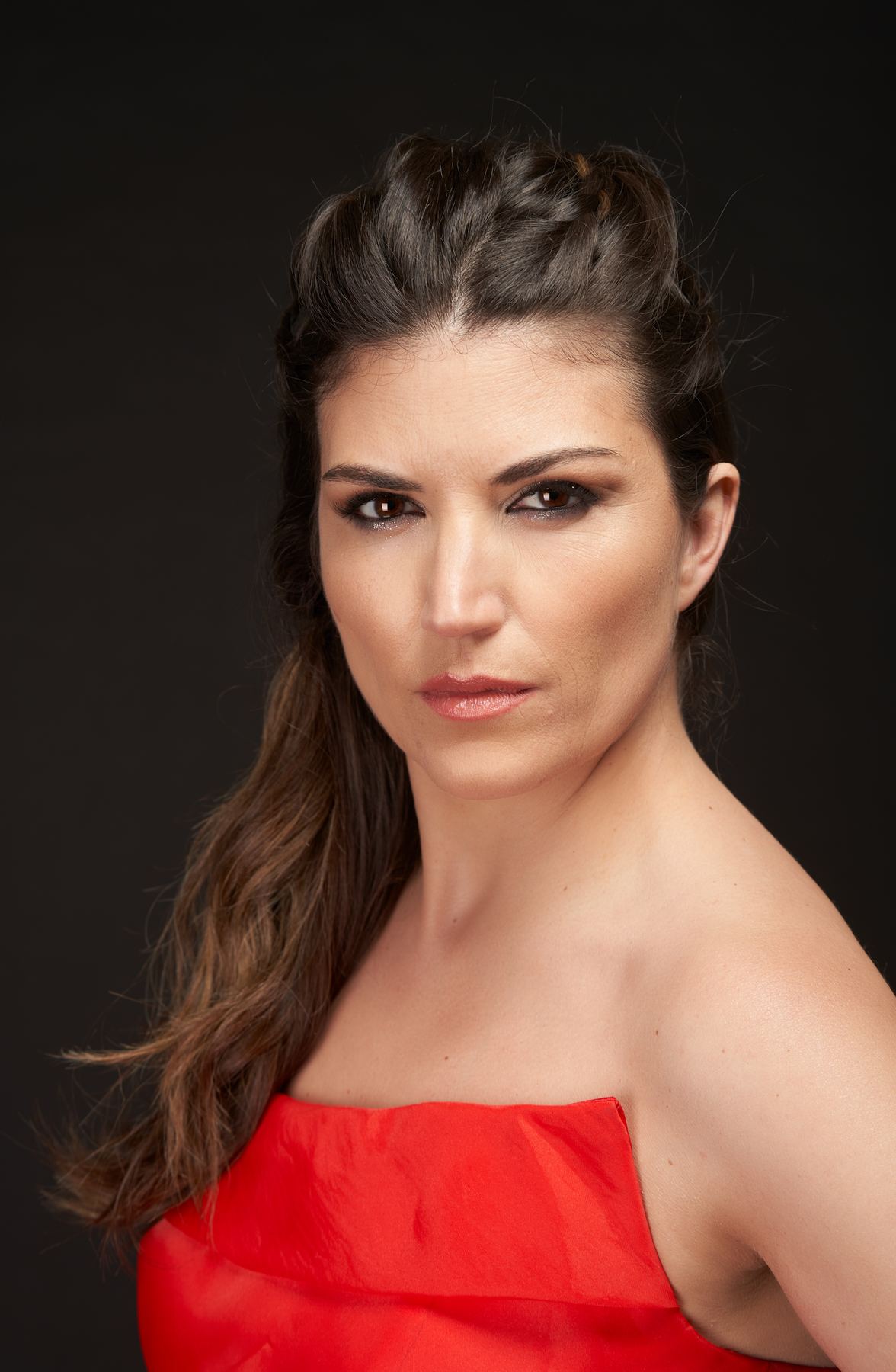
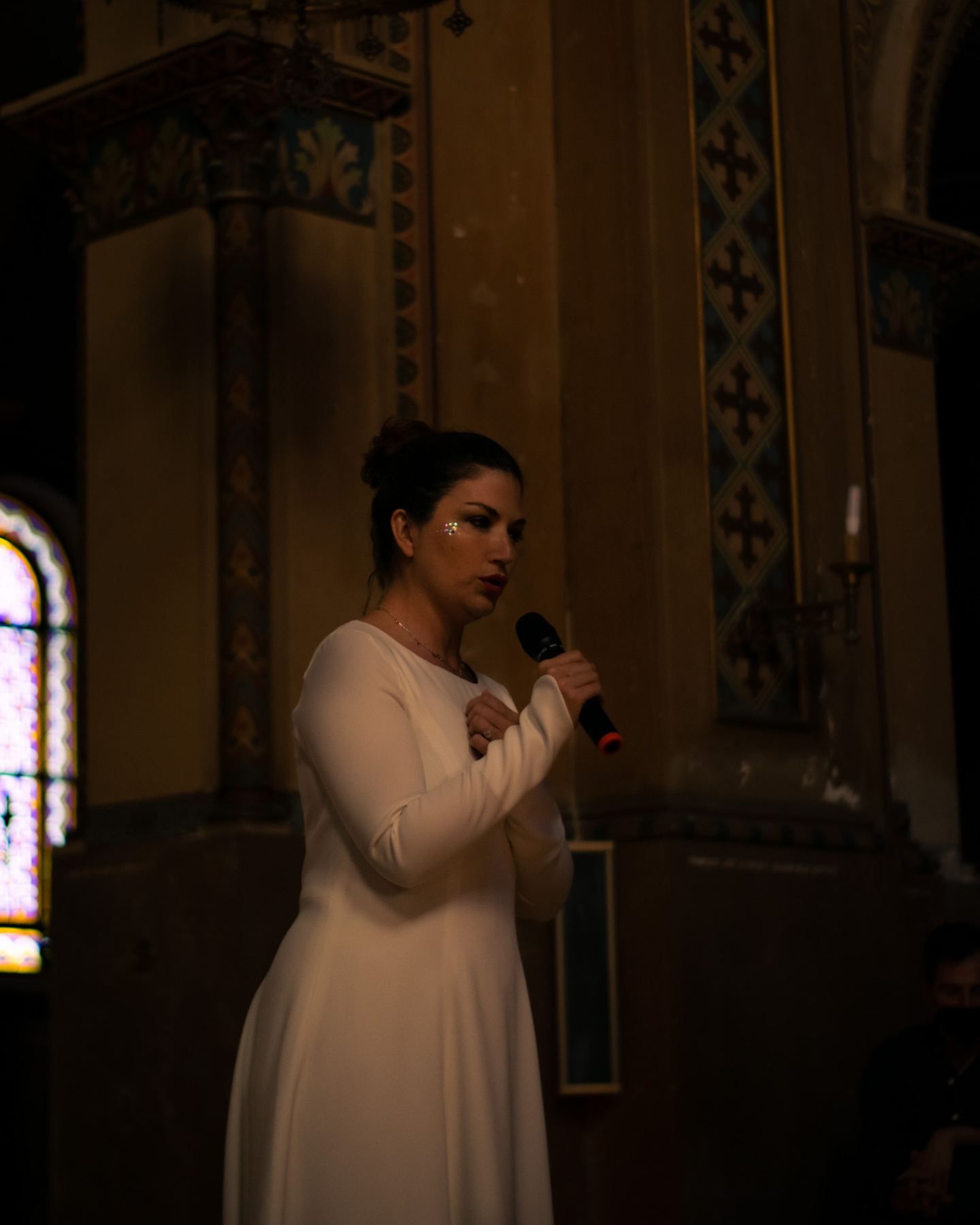
Eva Marco, portrait
About me

Opera and event planning, the same passion for detail

I'm Eva Marco, an opera singer with a career devoted both to the stage and to creating live experiences. My vocal training and my work in lyric productions have given me a particular sensitivity to rhythm, staging and the emotion of the live moment.

Over the years, that same artistic rigor led me to event planning: private recitals, lyric soirées and luxury events where music takes center stage. I combine performance and production to offer personalized experiences, carefully crafted from start to finish.

Career

Training and career

Born in 1985, she began her musical studies in Bottineau, North Dakota (USA) in 1998. She completed her training in Spain in choral direction, vocal style and vocal technique with Carlos Espinosa, Virginia Prieto and Josefina Arregui. She refined her technique in Milan alongside internationally renowned soprano Nino Machaidze (2018–2021) and concluded her studies with a Master's in Operatic Performance at the Bel Canto Academy, affiliated with the Trento Conservatory (Italy), in 2022, under the direction of Massimo Lambertini.

2020

Idamante · Idomeneo (W.A. Mozart)

International tour debut: Rhodes International Music Festival and Heraklion International Congress Center (Greece), with Teatro Grattacielo of New York, cond. Stefanos Koroneos and Myron Michailidis. Two symphonic concerts with the Greek National Opera Symphony Orchestra.

2022

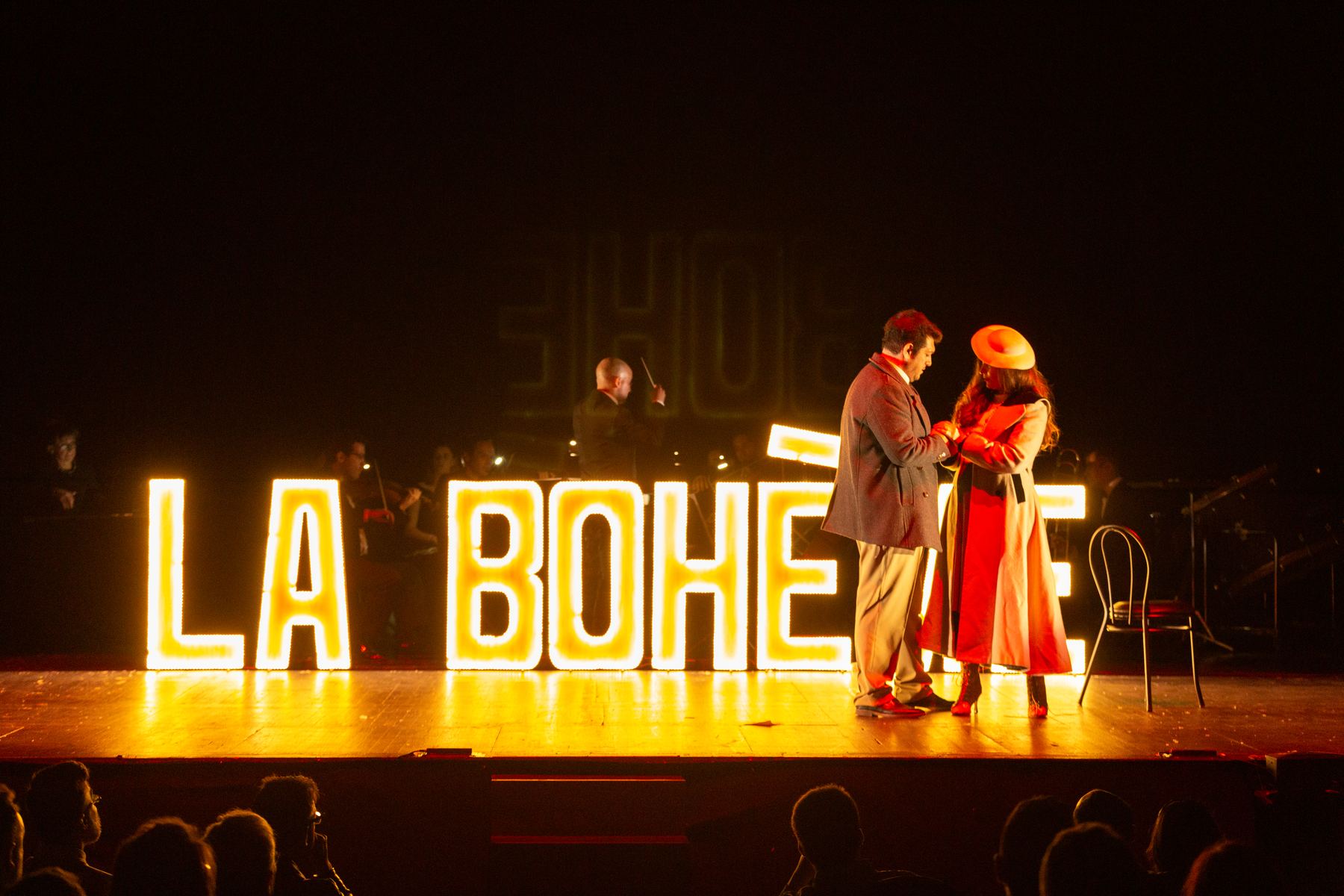
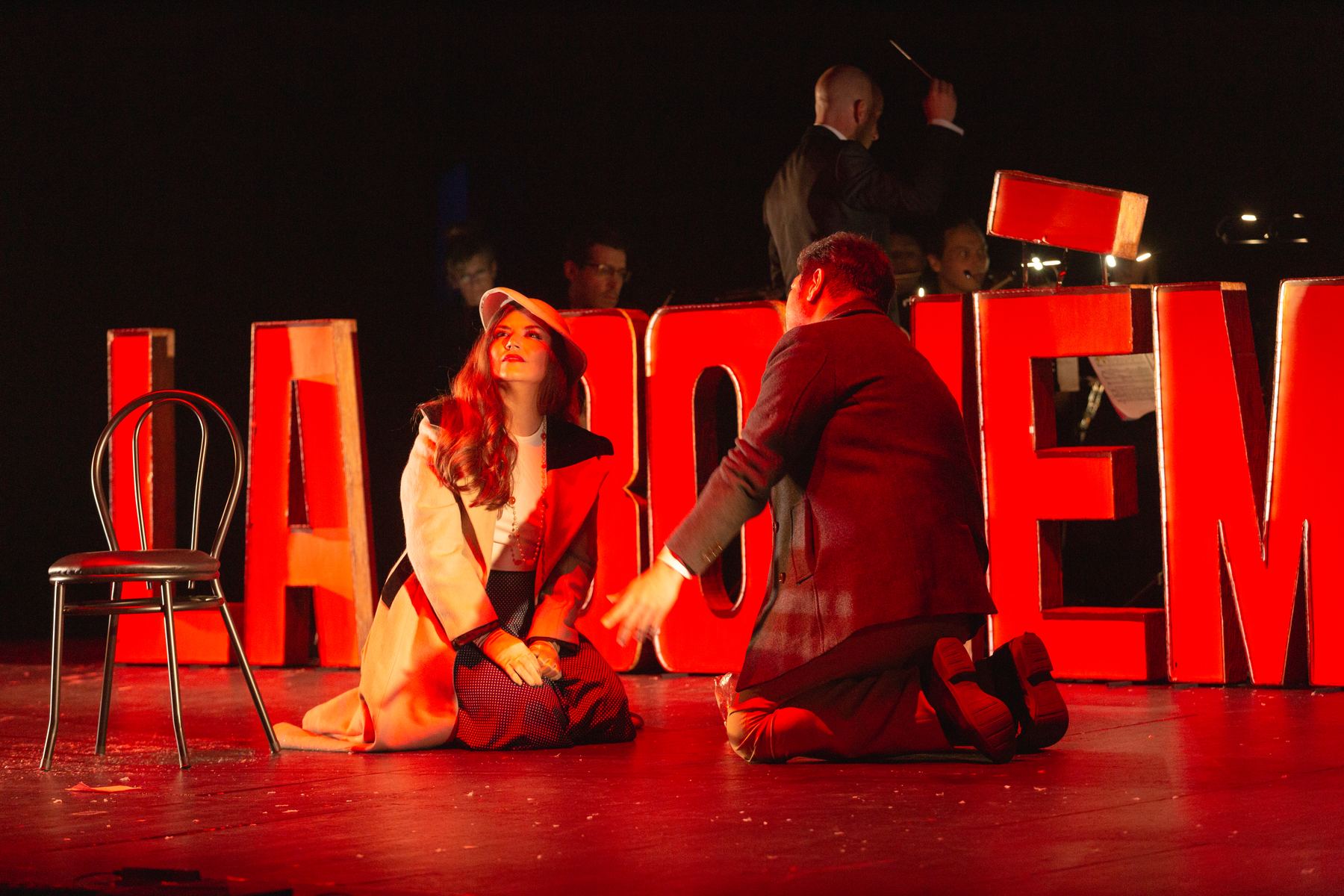
Mimì · La Bohème (Puccini)

Debut with the Las Palmas Philharmonic Orchestra, cond. Karen Mark Chichon. Symphonic tour "Puccini's Heroines" (Lazio, Rome, 2023).

2024

Desdemona · Otello (G. Verdi)

Tour of Spanish opera houses: Teatro Isabel la Católica (Granada), Teatro Principal (Zamora) and Teatro Principal (Ourense), cond. José Escandell and Rodica Picirenau.

2024

Countess Almaviva · The Marriage of Figaro (W.A. Mozart)

Romanian National Opera, Cluj-Napoca, cond. Mo. Crescenzi and Mihaela Sandu.

2025

St John Passion (J.S. Bach)

Debut at the National Auditorium of Madrid, cond. Javier Corcuera. Regular performer at the Auditorium.

2026

Mass in C minor (W.A. Mozart)

National Auditorium of Madrid.

2026

Symphonic concert alongside Plácido Domingo

With Irina Lungu and Arturo Chacón, Palacio de Festivales de Santander, cond. Jordi Bernàcer.

2026

Gala de clausura · Gurjaani International Arts Festival

International special guest of the closing concert, alongside Mo. Nika Nikvashvili, a symphony orchestra and mixed choir, and Georgian artists Manana Todadze and Kote Kipiani. Gurjaani, Georgia, 21 June.

Services

Two disciplines, the same standard of excellence

Live performances and full-scale production of events with a lyrical presence.

01

Lyric performances

Opera recitals and classical repertoire for stages, private venues and luxury events.

  • Solo or accompanied recitals
  • Personalized experiences
  • Private and corporate concerts
02

Event Planner

Production of soirées and celebrations with live music at the center.

  • Lyric soirées and galas
  • Artist and musical program coordination
  • Bespoke private events
Artistic Direction

Production, negotiation and design of cultural projects

Beyond the stage, I also lead the creative and strategic side of musical projects: programming design, negotiation with institutions and artists, and end-to-end production of festivals and concert series.

Repertoire

Repertoire

From grand opera repertoire to the most intimate song.

Norma

Bellini
Adalgisa, Norma

Carmen

Bizet
Micaela

Eugenio Oneguin

Chaikovski
Tatiana

La donna serpente

Casella
Miranda

Anna Bolena

Donizetti
Anna Bolena, Giovanna Seymour

Il castello di Kenilworth

Donizetti
Amelia

Lucrezia Borgia

Donizetti
Lucrezia

Maria Stuarda

Donizetti
Maria Stuarda, Elisabetta

Roberto Devereux

Donizetti
Elisabetta I

Belisario

Donizetti
Antonina

Orfeo ed Euridice

Gluck
Euridice

Alceste

Gluck
Alceste

Fausto

Gounod
Marguerite

Julio César en Egipto

Händel
Cleopatra

Rinaldo

Händel
Armida

Serse

Händel
Romilda

La viuda alegre

Lehár
Hanna Glawari

Pagliacci

Leoncavallo
Nedda

Ecuba

Manfroce
Ecuba

Der Vampyr

Marschner
Malwina

L'amico Fritz

Mascagni
Suzel

Chérubin

Massenet
Nina

La coronación de Popea

Monteverdi
Ottavia, Poppea

Idomeneo

Mozart
Elettra, Ilia

Las bodas de Fígaro

Mozart
Condesa de Almaviva, Susanna

Don Giovanni

Mozart
Donna Anna, Donna Elvira

Così fan tutte

Mozart
Fiordiligi

La flauta mágica

Mozart
Pamina

La clemenza di Tito

Mozart
Vitellia

La molinera

Paisiello
Eugenia

La Bohème

Puccini
Mimì

Turandot

Puccini
Liù

L'inganno felice

Rossini
Isabella

Maometto Secondo

Rossini
Anna Erisso

Mosè in Egitto

Rossini
Elcìa

El viaje a Reims

Rossini
Madama Cortese, Corinna

The Rake's Progress

Stravinski
Anne Trulove

La Traviata

Verdi
Violetta Valéry

Simon Boccanegra

Verdi
Amelia Grimaldi

Otello

Verdi
Desdemona

Falstaff

Verdi
Mrs. Alice Ford

Griselda

Scarlatti
Griselda

Medea in Corinto

Mayr
Medea

Los cuentos de Hoffmann

Offenbach
Antonia
Gallery

Moments on stage and at events

Press

Interviews and features

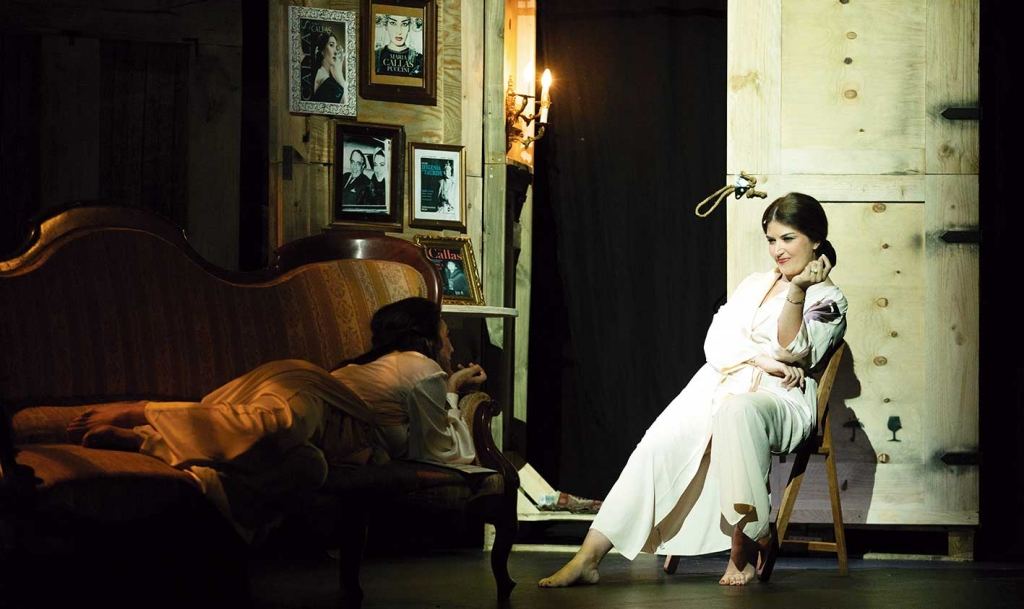
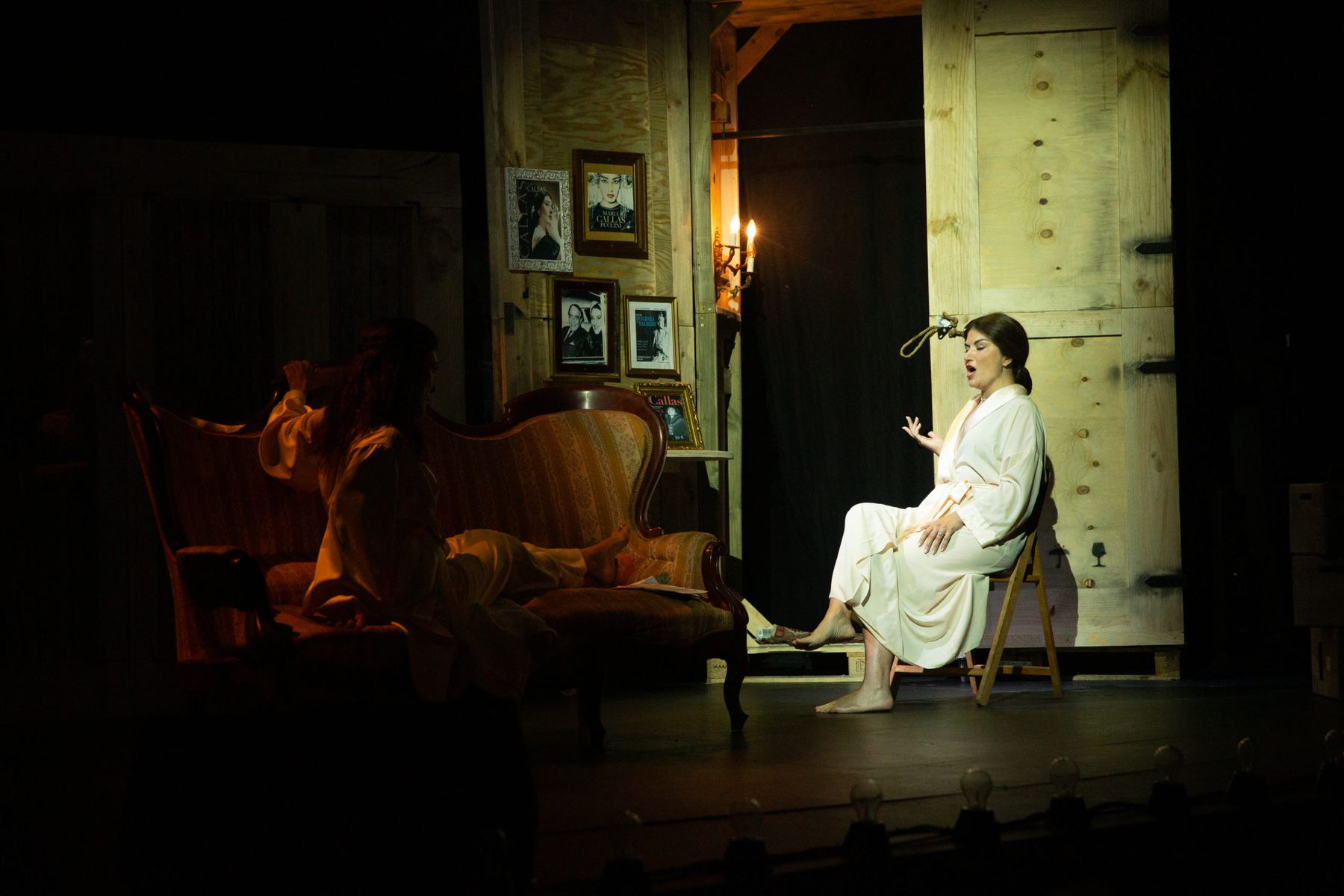
Cartelera Musicales Perfil de Eva Marco Revista Teatros Entrevista a Eva Marco por "María Callas: Sfogato" Culturamas "Sfogato", homenaje a María Callas con Mabel del Pozo y Eva Marco RTVE — Podría ser peor Los entresijos de la ópera, con Eva Marco (soprano) El Diario Montañés Honesto con el espectador, expresivo y técnicamente correcto Entradas.com Próximas actuaciones y venta de entradas RTVE — No es un día cualquiera Eva Marco, cantante de ópera: de Laura Pausini a María Callas Revista Ritmo Crítica: Gala lírica de Plácido Domingo — el león y el tiempo Doble A — cine, teatro y cultura Crítica: "María Callas, Sfogato" (4,5/5)
Reviews

What the critics say

"Honest with the audience, expressive and technically accurate."

— El Diario Montañés

"Sfogato": a tribute to Maria Callas with Mabel del Pozo and Eva Marco."

— Culturamas

"Eva Marco, a young and media-savvy artist, possesses that healthy hunger for the stage which is one of the indispensable conditions for any lasting career."

— Revista Ritmo

"Eva Marco embodies the artist who defies time, whose voice and presence fill the space, while at the same time reflecting the tension between the person and the myth."

— Doble A, cine, teatro y cultura
Blog

Notes from the stage

Reflections on opera, the stage, event production, and everything that happens before the curtain rises.

Teatro Real

Anna Netrebko at the Teatro Real

The Teatro Real experienced one of those exceptional evenings that confirm why Anna Netrebko holds an undisputed place among the great divas of our time. The Russian soprano offered an ambitious, generous recital of extraordinary range, conceived not as a mere succession of pieces but as a journey through the different expressive territories that have defined her career.

Since her first appearance in Madrid with Prokofiev's Betrothal in a Monastery, Netrebko has been the protagonist of one of the most fascinating vocal evolutions of recent decades. Her instrument, always recognizable for the richness and sensuality of its timbre, has gained body, breadth and dramatic density without losing the ability to draw back the sound, shape half-voices and build phrases of an almost instrumental delicacy.

Far from seeming uneasy or in need of warming up, Netrebko took possession of the stage from the very first bars. Her voice appeared firm, ample and admirably projected, with that rare ability to fill the hall without ever resorting to stridency. The emission retained stability and evenness across registers, while the artist managed her instrument intelligently, without needless showmanship and always in service of the music.

One of the great moments of the night came with the final aria of Cilea's Adriana Lecouvreur. Netrebko offered an interpretation of enormous intensity, crowned by suspended, exquisitely beautiful spun tones. There was no mere virtuosity in them, but a true dramatic construction: the sound seemed to fade away at the same moment as the character. Equally admirable was Richard Strauss's Cäcilie, resolved in a single, expansive arc of phrase, sovereign breath control and a luminous exaltation, perfectly controlled.

The Russian block offered a glimpse into the singer's most intimate and personal territory. In Rachmaninoff's songs, Netrebko unfolded a phrasing full of nuance, expressive diction and an emotional depth that transcended the literal meaning of the words. Each song took on the character of a small dramatic scene. In the final scene of Rimsky-Korsakov's The Snow Maiden, she combined innocence, lyricism and building intensity to reach a conclusion of enormous evocative power.

She was also splendid in the aria from Charpentier's Louise. The sensuality of the French language found a privileged ally in her voice. Netrebko knew how to recreate the character's emotional awakening with a broad, flexible line full of intention, demonstrating that her artistic personality can assert itself across very different repertoires without blurring their respective styles.

The celebrated "Flower Duet" from Delibes's Lakmé, performed together with Elena Maximova, was one of the most delicate moments of the evening. Both artists achieved a warm, balanced blend based precisely on the contrast between their instruments: Netrebko's enveloping luminosity found a suggestive counterpoint in Maximova's darker color. The result exuded intimacy, elegance and a truly enchanting atmosphere.

In the second half, Tchaikovsky's pages confirmed Netrebko's extraordinary affinity with this repertoire. The romance The Sun Has Set reached an overwhelming depth. The soprano needed no grand gestures: the richness of her inflections, her mastery of color and a direct communication with the audience were enough to turn the piece into an emotional confession.

"Oh! quante volte" from Bellini's I Capuleti e i Montecchi was one of the most revealing challenges. The bareness of Bellini's writing demands a technique with nowhere to hide, and Netrebko faced it with courage and authority. The line was sustained with nobility, the dynamic swells were carefully drawn, and the legato revealed not only the experience of a great singer but also her willingness to keep exploring the limits of her instrument. It was a mature, vulnerable and deeply human Giulietta.

The Csárdás from Kálmán's The Gypsy Princess and Arditi's Il bacio provided the sparkle and effervescence needed to close the program. Netrebko was relaxed, charismatic and in complete command of the stage. Far from being minor pieces, these pages revealed another essential facet of her personality: the ability to enjoy herself, play with the audience and turn virtuosity into celebration.

The program was long, yes, but that generosity should be understood as a sign of respect for the audience. Its stylistic variety allowed one to take in the many dimensions of an artist who resists being confined to a single category. Song, opera, operetta and salon pieces coexisted in a recital conceived as a grand musical portrait.

Among the encores, "Aprite, presto, aprite" from Le nozze di Figaro showed a fun, theatrical and spontaneous Netrebko. Rather than trying to reproduce the lightness of a young Susanna, the soprano turned the fragment into a delightful scenic game, enthusiastically celebrated by the hall. The farewell with Non ti scordar di me, performed by all four artists, put an emotional and intimate seal on a night of true communion with the audience.

Elena Maximova was a solid and expressive collaborator, with a dark timbre that effectively complemented Netrebko's instrument. Violinist Kurt Mitterfellner stood out for the beauty of his sound, the lyricism of his bowing and the sensitivity displayed especially in Strauss's Morgen. Pavel Nevolsin, for his part, was much more than an accompanist: he built an attentive, flexible dialogue with each performer and also shone in his solo passages thanks to refined touch and an admirable sense of color.

Anna Netrebko did not simply offer a recital: she reaffirmed her status as a singular artist. Her voice retains richness, volume and an exceptional expressive palette, but it is her magnetism, her musical intelligence and her ability to turn every page into a theatrical experience that continue to place her above any purely technical consideration. The Teatro Real did not witness an uneven night, but rather the demonstration of a singer in full command of her artistic personality: free, generous, courageous and absolutely fascinating.

Contact

Let's talk about your next event

Recitals, personalized experiences or the production of luxury events with live music. Write to me and let's design it together.

EVA@evamarco.com
Instagram Facebook YouTube